This blog is long. Please read it at the pace you feel comfortable with to understand the point.
I. Introduction
Humans are incredibly complicated to understand. On paper, we are just one more step in biological evolution on a planet that over billions of years somehow began a process to develop living organisms that became progressively more complex. But there is something a lot more intricate at play. Humans have brains that seem similar to our (decently) proven less-competent ancestors, yet are capable of self-awareness, advanced problem-solving and technological invention, emotional and moral considerations not found in other organisms, and even spiritual thought.
Is it a fluke of astronomical physics after countless multiverses without any such event? A masterful construction of a deity that likes to paint with extremely vibrant and deep colours? An unfathomable simulation of something far beyond our understanding? We’ll probably never get a concrete answer. But undoubtedly, humans are beyond anything else in science yet discovered.
The study of the human brain and how it interprets the world has been in extensive study since the dawn of our human brains, often given the title “Psychology”. Where this differs from other branches of science is that it is both difficult to perform experiments on it (due to moral complications) as well as get binary and predictable results compared to things like understanding how gunpowder works or why an ant makes the choices it does. Human brains seemingly just work in ways that are more complicated, nuanced, and varied than other units of matter.
Does that mean we stop trying? Of course not. And the more we dig, the more we begin to make sense of things. There are several organizations out there right now that work to study criminal’s behaviours to predict where they may attempt to strike next, catch them in the act, and prevent them from harming others again. Several TV shows, movies, and books have been written or are actively being produced right now to tell stories about all sorts of fictional characters based off of real human experiences and emotions. The creatives responsible pull from their own experiences and find many people in their audience relating to the characters they construct. Social media via the internet allows more people to connect than ever before and share their emotional and practical challenges with others that have similar stories.
Seemingly, we are getting better and better at drawing parallels and similarities between the human experience. Even when there is abnormalities in the brain such as chronic depression, ADHD, OCD, or even heavily debated topics like one’s conflict with their natal sex, we can develop consistent traits and how to mitigate their adverse effects, or how to build a culture that can be more responsive and empathetic to those with the conditions. One of these “conditions” is growing in popularity: Autism Spectrum Disorder.
II. The Burden of Attention
Whenever you have something growing in public discourse, particularly in the era of the internet, it tends to get bastardized. The Covid-19 pandemic in 2020-2022 saw a massive uprise in discussion relating to the reliability of vaccinations, and it became clear there was often a fundamental misunderstanding of what the science behind them was even doing in the first place. The same goes for things such as the rise of Artificial Intelligence and how that technology works, the space race with the US’s landing on the moon, and well, many, many, other subjects. Unfortunately, autism is one of these victims.

Not that an increase in its discourse is at all a bad thing, as the more it is talked about, the more help and recognition that can be offered to the ones struggling with the disorder, but as someone with autism myself, I cannot help but be frustrated at how often this issue gets massively misinterpreted.
First of all, I want to express what autism is. Webster’s dictionary defines the term as: “a neurodevelopmental disorder that typically appears by age two, that is variable in expression but is usually diagnosed by persistent impairments in social interaction and communication and by stereotyped patterns of behavior, activities, or interests, and that may be accompanied by cognitive or language impairments”.
Right off the bat when you read that, you might get the impression that we do not have the same precision of autism’s nature compared to something like a broken wrist, skin cancer, or even other psychological conditions like ADHD. The definition is kind of vague. And you’d be right. Autism is typically described as a “spectrum” because the condition can vary in ways that is not seen in other conditions. One autistic person could literally have a completely different selection of symptoms and problems compared to another diagnosed with the same disability. While sicknesses, injuries, and disorders can vary a bit between person to person, it typically isn’t an entirely different condition to someone else with the same problem.
Think about it like this: the computer you may be using to read this blog has to run an operating system that tells the technology what it should be doing (crudely speaking). It could be the exact same components, but it could be running Windows, MacOS, or Linux. Let’s ignore Apple in this analogy and focus on Windows as the primary operating system for most people, and Linux as the atypical standout. If all neurotypical people would be Windows, it is very easy to identify consistent traits across all of them, even if their exact customization and setup varies, because they are all pretty much running the same system. They are speaking the same language, and it is very easy for Windows to communicate with another Windows system.
Now let’s say an autistic person would be like running Arch Linux. Even if some of the infrastructure or traits are similar, each Arch Linux desktop can be completely unique from each other as well as being entirely different than a Windows operating system. Software that can be easily installed on Windows with minimal effort may work in strange ways on the Linux system or may not work at all. And each process performed on the Linux system requires a level of manual work that a Windows user couldn’t even possibly fathom.
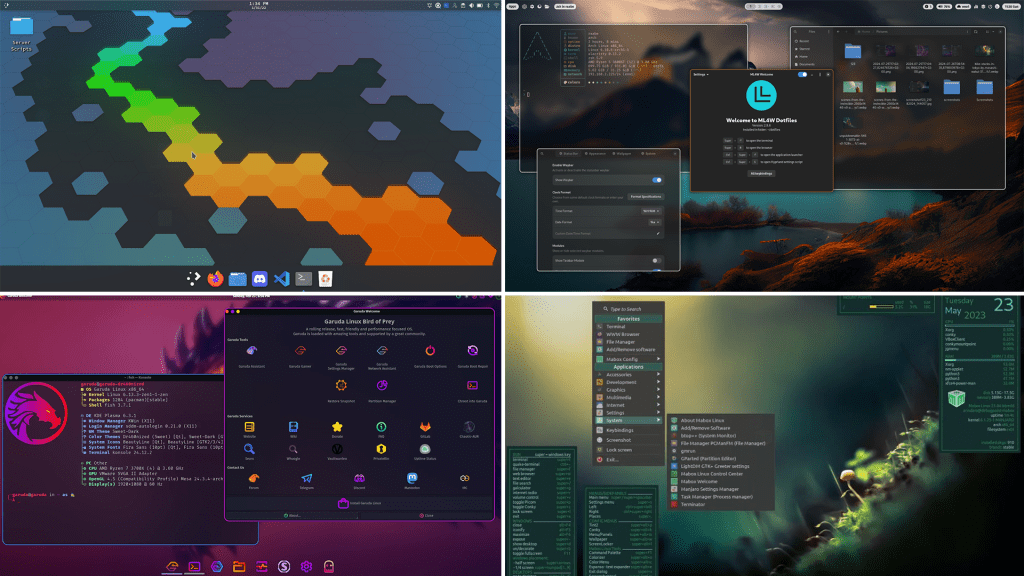
That may be a bit of a dense and problematic analogy, but I believe thinking of brains as operating systems is about as close as we are going to get. Trying to live within an autistic brain is like running a completely different process than everyone else, even other autistic people. So you may feel isolated, annoyed, and exasperated as life goes on.
That’s the basics, and it leaves three remaining questions I want to discuss in this blog:
1) What are the common misconceptions around the symptoms and diagnoses of autism?
2) What does autism actually do and what makes someone autistic?
3) Can autism be fixed, prevented, or mitigated? As well as, how can you better support someone with autism as a neurotypical?
III: The Misinformation Epidemic
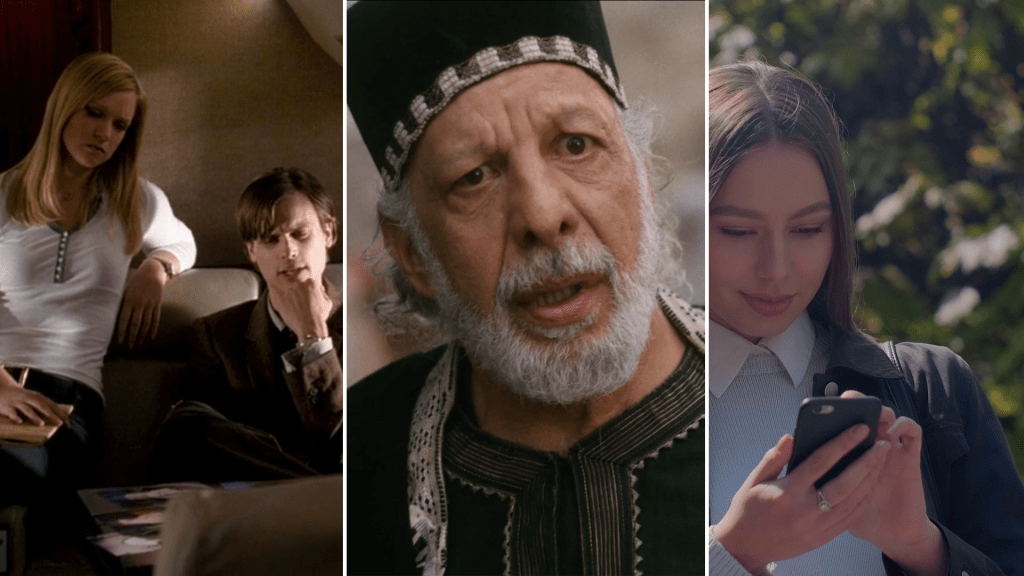
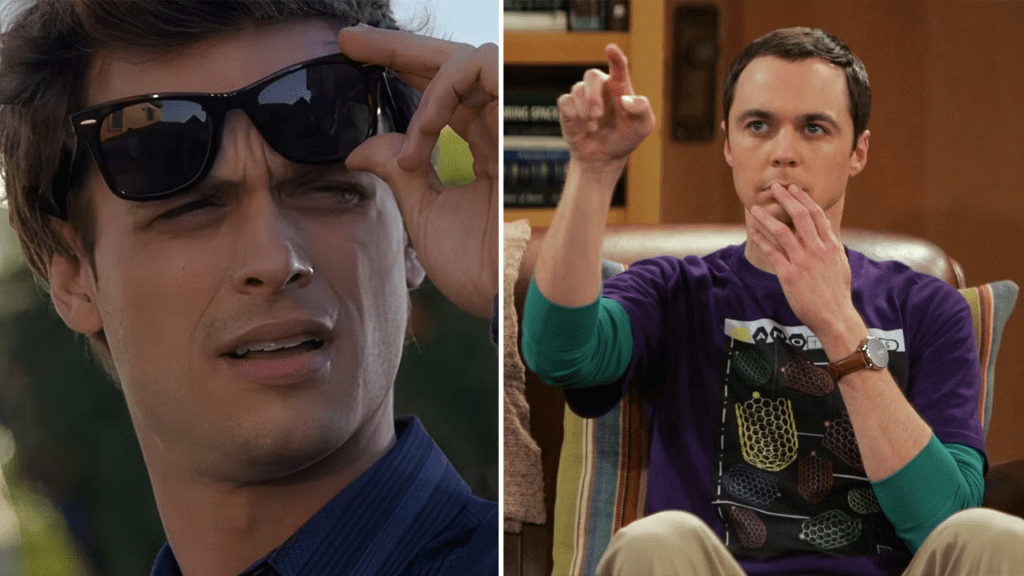
Probably the most problematic and consistent misconception around autism is that it is somehow a superpower that enables people that have it. There’s TV shows like Criminal Minds or The Big Bang Theory that has a smart and knowledgeable yet awkward character that quickly gets associated with autism, and then people automatically assume that anyone with autism gets an intellectual advantage from their abnormally-wired brain. A similar dynamic occurs when a study or public-facing video demonstrates someone with autism being able to identify the day of the week on some random date years ago or very specific memory retention for an event in their past or long-winded series they are interested in. Yes, these types of things do happen with autistic people, but the trade-off for what is typically a useless ability in the adult world for the disabilities that come with autism is NOT a superpower. And not every autistic person gets a notable or exciting “ability” either.
Another critical idea is that being heavily introverted or quirky somehow automatically makes you autistic. I try to avoid places like twitter or sensational news because it is often just there to get people riled up and I’d rather get angry when it is warranted organically in life, but any time I see someone say “my autistic ass thought this meant X” online and then a bunch of people respond with “oh I thought the same😂 TIL I’m autistic” or something to that effect, I get genuinely upset. There is such a thing as having a personality. If you do not like spending time with people, it is most likely that you just don’t like being with people for your own personal reasons. It doesn’t mean your autistic. If you are obsessed with Sonic the Hedgehog, it could just be that gaming is one of your hobbies and there are Sonic games or media that you connect with. A similar phenomena happened with OCD and people using the real disorder as a word to describe their inner perfectionism. Only, as time goes on, less and less people are understanding the difference between using it as a joke and the real thing.
On a similar note to the last point, some people confuse being straight up stupid with autism. Someone will make a TikTok sketch or reddit story about an adult character that acts like a complete dumbass, ignoring the most basic social queues or common sense concepts, and then comments will be like “oh yeah that guy is evidentially autistic….” etc. Fortunately this is a less spread concept than others, but I’ve definitely seen some people connect or justify incompetence or insanity with autism, and it’s hard not to say ‘no, you’re just dumb’.
IV: Broken Glass
So, what is the differentiator between someone’s personality and their brain being wired in a way that is notably “different” than a neurotypical? Well to be honest, I do not have a perfect answer for that. I cannot definitively look at someone’s life and make a claim that they are or are not autistic, any more than my doctor could because Manitoba’s health care system sucks in general and doesn’t allow him or my psychiatrist to give an official answer. But what I can do is give you a window into what my life is like as an autistic person that has been cross-referenced with a LOT of personal study, and how it is often distinctly not equitable to personality.
Please not that this is my experience, and as established earlier the condition can vary a lot.
To start, let’s go into another analogy. Imagine that the journey of life was a marathon that everyone is required to run. You know there is a goal post somewhere down the line even if you cannot see it, and you know it is going to be extremely exhausting for everyone to reach. Each person is going to struggle on the way, and everyone has to look after themselves even if they want to encourage others along the way. A neurotypical would be someone with a normal, healthy body. They get exhausted, thirsty, and need breaks every now and then. But they can complete the race with an average amount of constitution. Imagine someone with a SEVERE mental condition to the point where they cannot do much of anything without intensive help or a physical disability as someone in a wheelchair. They are given the device by professionals, and all healthy racers recognize that the person is clearly not going to complete the race on their own, and have empathy for the person’s permanent situation. Now imagine someone with moderate autism as someone with a limp on one of their legs. They do not receive a wheelchair, and others do not see the issue. But every time the person makes a step, pain shoots up their leg that arcs across their entire body, temporarily stunning them. Unlike the person that physically cannot operate their legs, it is technically possible for them to reach the goal without any dedicated help or grace. Other racers will tell them to hurry up and wonder why they are so lazy or inept at keeping up. But even if it possible, it is not really feasible for them to keep going when every single step hurts. And they don’t really have a way to communicate it to others. Should they just give up?
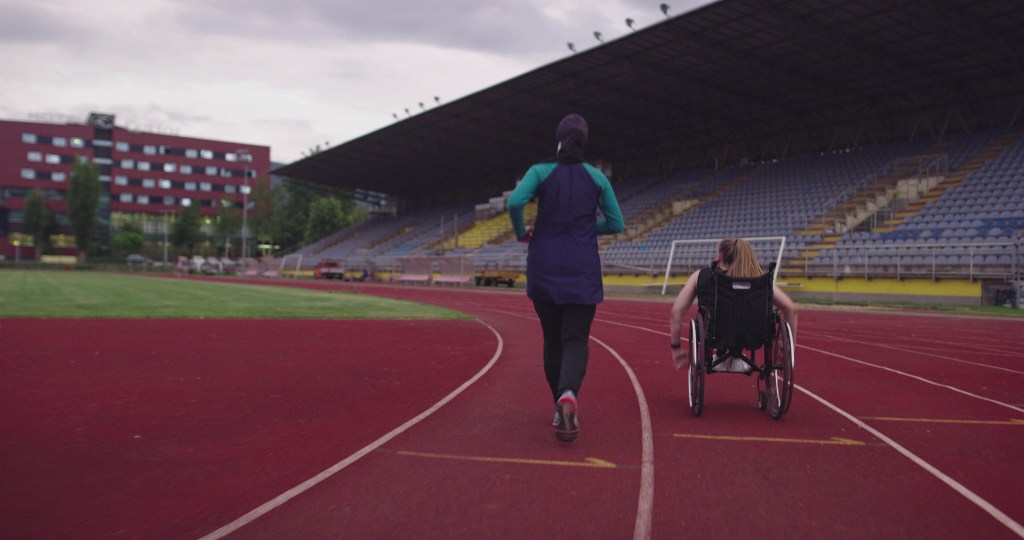
That is what my autistic journey is like. Every single process in life that is not extremely familiar and comfortable to me can be an excruciating manual process that leaves me drained or desperate to do anything else. Over the years, I have managed to build up a manual understanding of some standard human activities like operating a debit machine, conversing with someone without over or under talking, and taking care of my biology. But this has resulted in a level of energy expenditure that a neurotypical cannot reasonably be asked to understand. And attempting to learn progressively more complex activities as the adult world expands in my twenties becomes increasingly problematic. Performing productive tasks that require a mental contribution for eight hours a day can be virtually impossible, depending on the day.
I often find that focusing on a crucial activity that has to be done feels as trying to get my brain of broken glass to work. It feels like my brain is not only wired strangely, but also in a way that is less than efficient, and causes emotional pain whenever I push it. This is not normal. Taking three times the average time to complete an activity for school is not normal.
It is not just the shattered productive life however, autism also fundamentally changes the way I will approach my day. If I decide to play Baldur’s Gate 3 for three hours and then stop the game, my brain will be buzzing with creative energy that needs to be unloaded. I will typically need to spend some time outside, alone, allowing my brain to unload ideas at a breakneck speed that usually does not translate to written ideas. It is not only unfortunate for making something the world can see, such as this blog, but it also can often waste an hour or two out of my day just being outside in my own brain.

Another manifestation is “stims”. This is basically an idea where if I come across some video or movie quote that sticks with me, I will listen to it on repeat or quote it to myself extremely regularly. This is one of those things that gets associated with quirky nerdiness, but the level at which an autistic person will quote or use something to calm their brain is far beyond typical love for a franchise. In my case, these stims are often completely non-sensical or even straight-up dark (even if it does not make me feel dark when I quote it), to the point where I would never feel comfortable quoting it next to another person.
When you combine these last two symptoms, it means I often prefer to be alone because that is the only way I can soothe my brain to prepare for productive activities or regular interaction with people. Hopefully you can see how this differs from standard introverted nature. It is even entirely possible for an autistic person to be extraverted but often require time alone so they can feel comfortable getting themselves ready for human interaction, a direct contradiction with their personality.
A contradiction with my personality is I’d love to write stories, develop games, and produce videos about a myriad of topics; I have a deep desire to make stuff the world can enjoy and be impacted by, but my autism makes that very difficult to achieve in any given day. That can weigh on me quite heavily, since I have a desire in my soul that feels hard to fulfill.
I could go expand further, but I think that’s enough. Personality and autism disorder are two different things. They can interfere. Your personality traits do not make you autistic. If you are extremely productive and run three businesses while starting non-profits but are a little awkward or nerdy, consider your oddities may not be autism, because you are able to run life just fine. If almost every step in life hurts, and you need an absurd amount of time, stims, and manual processes to get things done, that may be due to this disorder.
V: Solutions…?
A meme that has been spreading around fairly recently is the current US administration announcing the idea that autism is caused by women taking Tylenol during pregnancy, and that they will find a cure to this affliction as a result of this finding. Perhaps I got some of that overly simplified or wrong, I am going to be honest, I really don’t feel like researching these people to find out what exactly was said. At the end of the day, Autism is a disorder that we don’t quite fully understand the cause of, but we know it has to do with how the brain is wired. Genetics seems to play a role. Which makes sense, since genetics makes up the DNA that is literally the blueprint for a human’s entire body, and the important thing to draw from these findings is that autism is not something that randomly occurs in response to events in life. It is something that is there to begin with.

To our knowledge, there is no way to remove the condition or use medication to mitigate it, such as is possible with depression or ADHD. Perhaps one day we’ll start messing with human DNA manipulation, I don’t personally find that a safe idea at all, but for the foreseeable future if you have autism, you are stuck with it. If you are a mother of a child with autism, it is likely nothing you did that caused it. So, what can an autistic person do to live with the condition and how can a neurotypical help?
First of all: grace. Don’t expect someone with proven autism to operate at the same level as someone without it. If they do not have the constitution to attend church or a different important social event and you are responsible for or partnered with them, do not require them to go. Tell them they are welcome to go if they feel up to it. If you have an autistic employee and it takes them a while to do something, do not give them unlimited hands-off time, but encourage them each day to get it done and complement them for the work they DO achieve. If you are autistic, extend grace to yourself. Don’t beat yourself up every time you fail to have a productive day or you may fall into a dangerous depression.
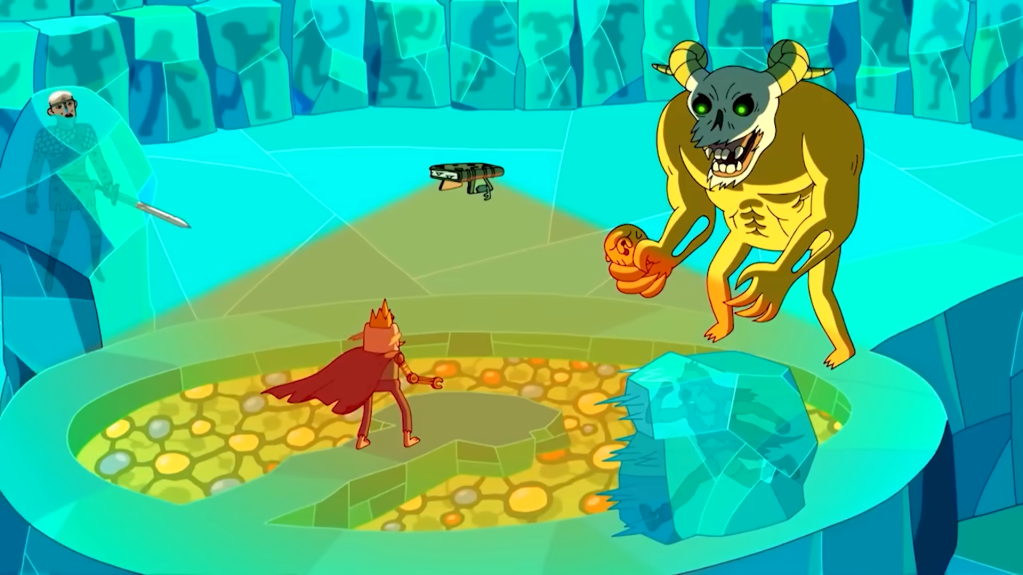
Secondly, if you are autistic, find things that make you comfortable. Watch something like Adventure Time and allow yourself to watch the show at regular times and geek out about it. Have a breakfast routine with reading a book or watching a constructive YouTube video. Even if being obsessed with something isn’t practically useful, it can actually be more constructive for your brain to study something than doom-scroll which has become a common activity for everyone, neurotypicals definitely included. And by allowing yourself to have fun comforts, it will keep you sane. At least this is my experience. I don’t know what obsession this may be for others, maybe team sports? Study yourself and find out what makes you tick.
Third, seek relationships. Regardless of where you are on the spectrum there are a lot of people out there that will probably click with you. They certainly don’t need to be autistic. I am a married man with five close friends, and having a successful relationship life is a huge lifeline when I feel like productive aspects of my life are in pieces. If you are someone wanting to help an autistic person, just make yourself available to reach them where they enjoy it. If their love language is Time like me, spend time with them playing games or something. If their love language is Gifts, get them things you know they care about. Really, this actually isn’t any different than neurotypical relationships. Do this regardless of whether your partner, family, or friends are autistic. Basically, just treat them like any relationships you value, and you will help them more than you can possibly realize.

Finally, get professional help when you can. I know it isn’t easy because I myself have gotten very limited professional help. It can be hard. If the place you live has support for autism at your age, go for it. If you have ADHD in combination to autism as is often the case, you can probably get official diagnosis and medication for the ADHD, and that may indirectly help you get official governmental support for your disability. If you are supporting a neurodivergent, encourage and help your friends and family to get this kind of help.
Thank you for joining me in this journey. I do not pretend to have all the answers, but if you learned more about your own autism or how it actually works in others, that is an amazing gift to me. Keep running in this marathon of life, I’m quite certain it is going to pay off.
 Joel Peters
interesting read
LikeLike