Trends, trends, trends. As important as they can be to an occupation that is directly involved with reaching people in the online space, I rarely find myself personally engaging with them much since I find them to be quite arbitrary and uninspiring. I just like to run with my own ideas, instead of the standard TikTok content cycle of copy pasting someone else’s work with little twists to it. Yes, yes, there is more to it then that, but there is a reason why it is not my app of choice (there is also the whole business with China but let’s not get into that).
So, with all of that in mind it was quite a surprise when I found myself actually indulging in what has been labelled as the “movie event of the year” by Variety. The barrier did not lie in that half of it has to do with the Barbie franchise. Truth be told, I’ve seen 90% of the movies in said franchise, because, well, I have sisters. Not because I enjoyed them…that’s believable right?
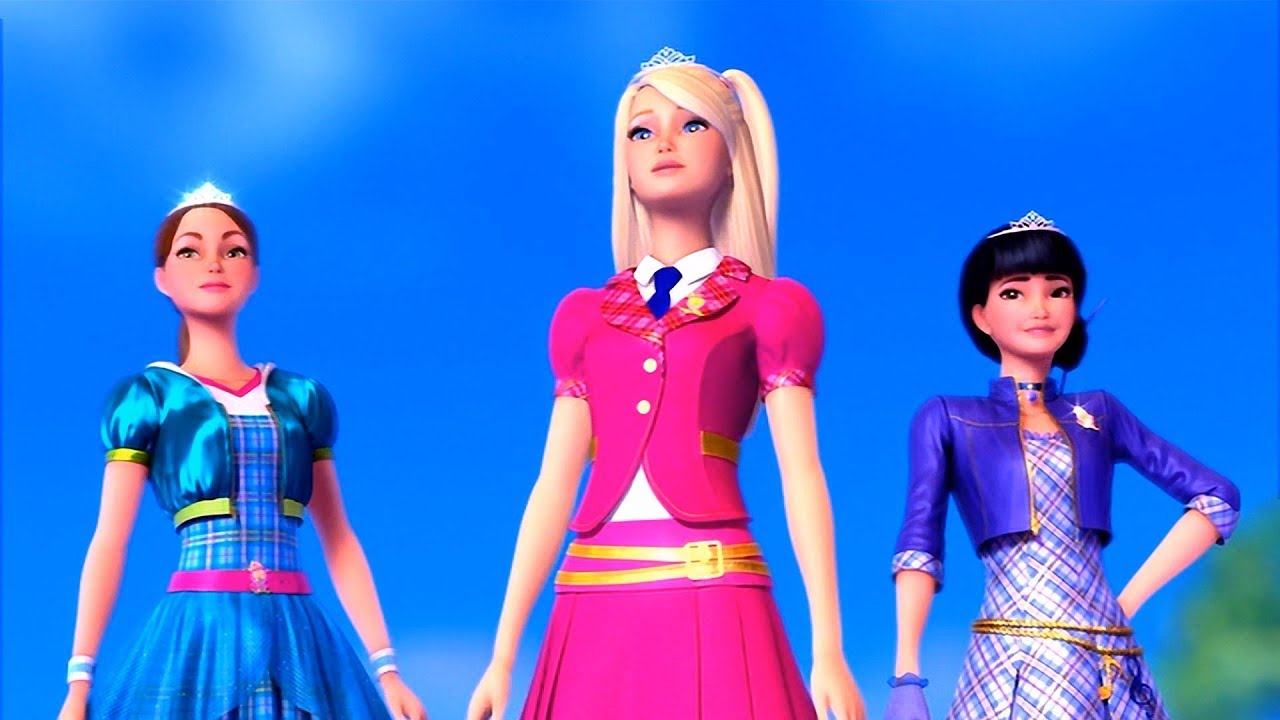
When I went to the theatres with my lovely girlfriend I wasn’t really sure what to expect. I knew it was live-action but the fact that the room was quickly filling up with male teenagers and grown men told me that there was something I was missing here. I hadn’t really done any research before hand since I was wanting to avoid Oppenheimer spoilers, and the trend connecting the two films had started by this point.
And then the movie started. Barring the rather odd opening that didn’t seem to serve much of a useful purpose, the film was…interesting. Overall Barbie is a fictional comedy, and most of its screentime is spent setting up either humorous moments or colourful musical numbers. And it does a good job at that. Shoutouts to Allan for making me laugh a ton, by far the most relatable character.
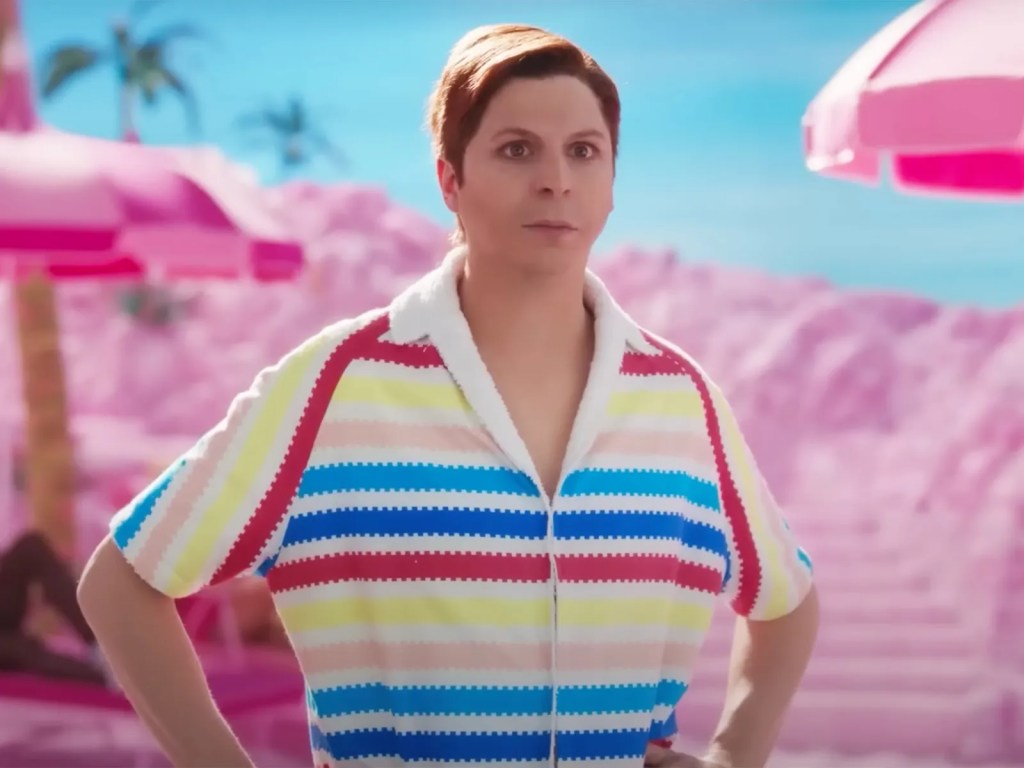
However, the thematic bread and butter is all about gender equity and autonomy. Some might label it as simply “feminism” but I feel as though that term has a lot of baggage attached to it (i.e. a lot of people misinterpret or have prejudice against it). Now, this might seem like an obvious direction for a film centered around a girl’s toy, but let me tell you the paths this movie takes to explore it is nothing short of creative. Honestly at times it can feel as hard to follow as Oppenheimer.
I really don’t know what I was expecting out of this, but it is certainly an adult film. From a chunk of its humour to its more advanced themes, I reckon this isn’t something most parents with middle school-aged children are going to identify as their “go-tos” for a family movie night. And that is exactly what makes me want to write about it. I like unexpected good stories.
I say that at the risk of immediately placing myself on a political spectrum, but I will caveat that. There are several ingredients that are needed for a good story, and one of the most important is how well it can portray a perspective or theme to its audience. What makes Barbie and Oppenheimer so interesting here is that their audience is effectively everyone. That is the main connector between the two otherwise polar opposite movies. Barbie was advertised as a film for those who loved and hated Barbie. It’s just a general-reach feature. The critical role in this scenario is not necessarily to convince or convert everyone to a particular side of thought, but rather to show a perspective to those that otherwise might not have a frame of reference. This resonates with those that are a part of it, and strikes a new cord in those that are not. If done well.
My take on Barbie is that it does a good job in that role, whether I agree with all of its morals or not is irrelevant, I think it uses its format to communicate to me in ways other mediums have not what the challenges of being a woman can be like. And as someone who is completely male, there is just simply no way for me to truly experience what that is like.
How does it do that? The power of humour. As mentioned before, most of the screentime in this film is spent on generating laughs. I realize a lot of people have issues with movies doing that as it feels like a cheap way of garnering credit without actually doing any heavy lifting on the thematic front. Or rather, it can take away from the seriousness of the topic.
But that is exactly the problem with so many films. They feel as though that can’t have any fun with their respective themes so you end up in scenarios like Strange World where it basically equates to a bunch of people wearing suits with arms respectfully placed saying in a formal voice, “we respect LGBT people”. Regardless of whether the message is positive or not, those that disagree with it are inherently going to feel the need to go against the film and disregard everything else that happens, whether it be amazing animation and genuinely creative story beats in the case of Strange World. You’re just going to lose a lot of people. Heck, I’ve seen people who fully support and are activists of its themes and even they don’t like the movie for reasons of its ‘bland’ story execution and such.
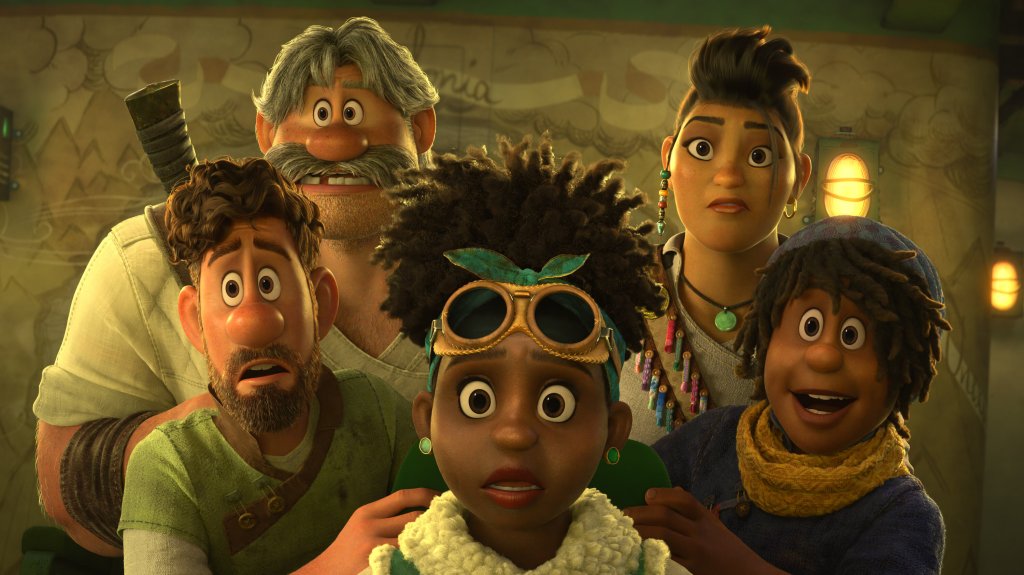
I genuinely think the problem with these movies is that their themes are treated as static sovereign ideals that cannot be taken lightly. The audience gets the impression that they have to get something out of it. The message is so obvious and overbearing. It can even make people who fully agree with it cringe.
In the case of Barbie, they are fully comfortable showing extremes, stereotypes, and making light and poking fun at their themes. And you know what that does? It disarms the audience. It tells them: “it’s okay, you can have fun here.” It allows them to lower their guard a little. There will always be those that constantly have their guards up and will immediately pounce on anything that opposes their viewpoints. Not that I am, uh, talking about anyone in particular.
But that is not always the case. Most people are just trying to have a good time when they go to the theatres. So, if you can give them that, and transition/intertwine well enough with your theme, you’ll end up with a lot of people who are actually willing to hear you out. Again, our goal here isn’t to inherently convert the entire audience, it’s just to present a perspective.
Ultimately, I wouldn’t consider Barbie to be anywhere in the department of a masterpiece; as I previously alluded to the plotline is a bit hard to follow and is honestly quite messy. But the humour and thematic delivery is very creative, and I can admire anything that checks those boxes.
And then there is Oppenheimer. Obviously the humour of this whole Barbenheimer trend is that these are basically as completely different movies as you can get. Whereas Barbie was a fictional comedy set in modern times, Oppenheimer is a historical drama set around the discovery and making of the first atomic bomb, and the fallout (pun not intended) its first usage has on its initial creator.
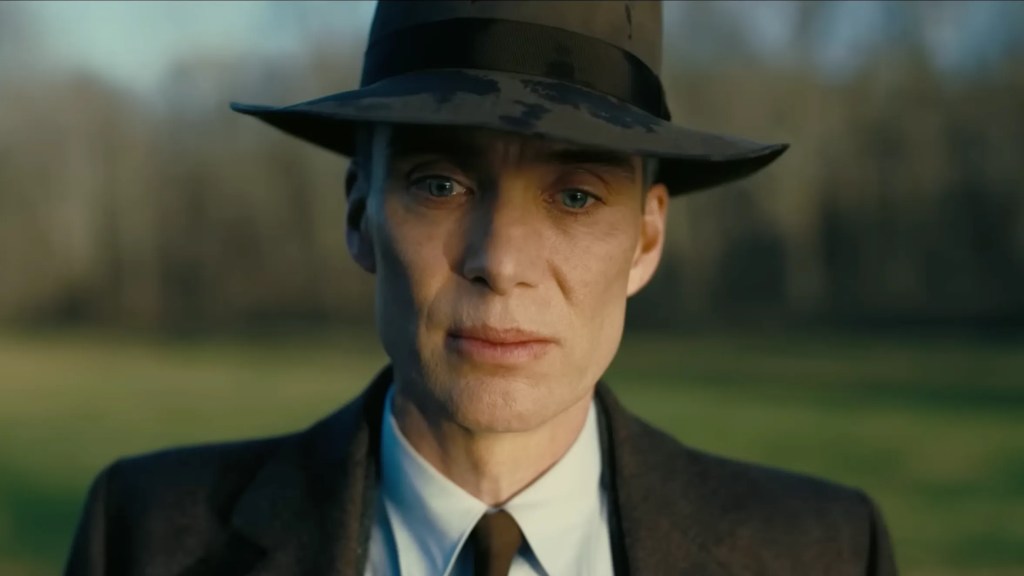
Trend aside, this movie was destined to be a success well before its thematic launch. I recall my friends sharing the first trailer in our community discord server and hyping up watching it in theatres, which is not something they would normally do. I was intrigued more so by the soundtrack initially to be completely honest, but I wasn’t going to turn down an opportunity to go the theatres with my friends (bad financial decisions? Yes please!).
Simply put, just because “Christopher Nolan” was heading the project did not mean I would inherently be engaged. The only one of his movies I had seen before Oppenheimer was Interstellar, and well, that is a whole blog in of itself.
As the theatrical release started nearing however, I couldn’t help myself getting on board the hype “train” surrounding this film. And besides my bladder capacity distracting me mid-showing, it was a great experience. Watching a high-quality production that has reached the minds of many and discussing its impact with my friends and father (who also joined us) is about as memorable as it gets.
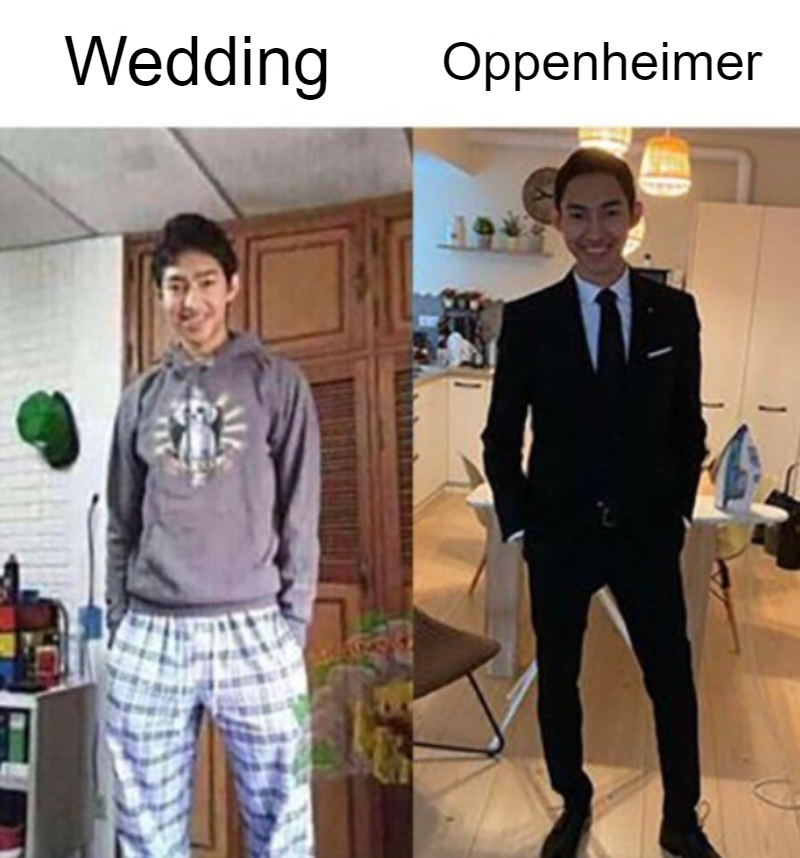
There are many conclusions to pull from that film, in reality there is enough material there for several blogs. If I was being critical, I would say that there was just too much to follow for it to be coherent, and one of my friends definitely agreed with me on that front. That being said, this is just par for the course for films of this type. Realistically, I am not much of a non-fictional drama fan. The fact that the movie was able to engage me as much as it did, then, is a solid sign that this movie is a masterpiece of its genre.
Thanks to social trends and Nolan’s status, I was not the only one finding themself branching into new genres. As I mentioned before, Oppenheimer is really targeting everyone. The perspective it is attempting to present is quite different from gender equity/autonomy however. My Father has often talked to me about how most people today don’t see history as relevant in today’s discussions, and that unless you have an inherent interest in it, they tend to just completely ignore it. Oppenheimer‘s ending about the potential earth-ending effects of the creation of the nuclear bomb firmly establishes in everyone’s minds that history is relevant today. And that is bit of a jarring realization for the mainstream population. While my father, friends, and I saw Oppenheimer as not much more than good cinema, many saw it as the time their outlook on the past better change.
Now, this begs the question: which thematic delivery is more effective? The approach I explained with Barbie, or the more serious approach with Oppenheimer? The answer is actually quite simple. The two movies at hand here are completely different. Opposites. Thus, it makes sense that the approach they should take to present their perspective would also be opposite. One uses its humour to disarm the audience, the other its historical range of characters and their depth to create the necessary nuance.
If a fictional comedy is suddenly becoming extremely one dimensional and direct with their themes, people who disagree with it will simply disregard the whole film. If a historical drama is constantly being lighthearted, it’s switching genres. Viewers know what film they are walking into.
Show the nuance, or allow people to have fun. Respect the audience you are delivering to, and they will respect you.
 Joel Peters