If you have ever found yourself getting into a show that makes use of serialized storytelling, you have LOST to thank. Easily one of the most engaging stories on the market, even to this day, many remember the revolutionary show either very fondly or very poorly. It is quite the polarizing experience.
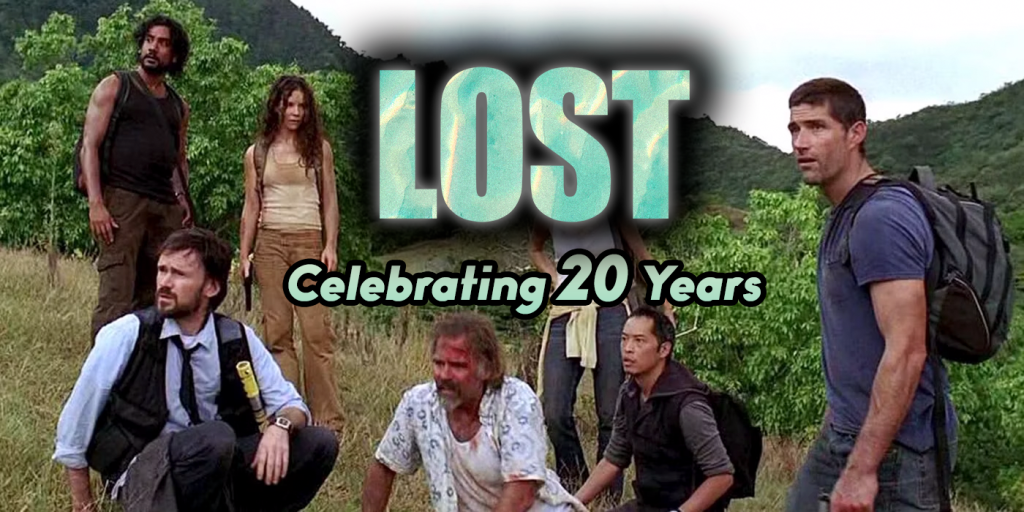
No matter where you lie on that spectrum, we all come to an objective truth: the show is officially 20 years old. That’s kind of wild to think about, not only because this show is as old as I am, but also because it feels as though we haven’t improved much in the film world since then.
Overall, things have definitely evolved. As I previously alluded to, LOST‘s sheer success while having episodes that required you to watch the previous to get the proper narrative experience displayed to the suits making the calls on greenlighting new material that a serialized epic can actually be quite lucrative. It also proved to the everyday market that following such a story can be a worthwhile endeavor. Thus, shows like Breaking Bad thrived.
LOST also came at the dawn of the community-driven internet as we know it, and really pushed viewers to discuss their own theories and reviews as things unfolded. It also really benefitted from the advent of streaming services, which arrived shortly after the show’s inception to usher it into a comfortable new home beyond DVDs. Basically, LOST transitioned the world’s inevitable step away from broadcast TV to the more flexible and affordable world of the Internet.
But ultimately, as I’ve looked at the roster of material that has been released over the last few years, I feel as though, barring a few incredible gems, the film world has been reduced to a rigmarole of collecting revenue, and then investing it into doing things even more efficiently so the big Hollywood companies can make even more money. Movies like Disney’s Wish makes this fact painfully obvious while the never-ending worlds of Marvel and Star Wars, and even deplorable sequels like Despicable Me 4 and National Treasure: Edge of History, highlights the lack of originality in modern storytelling.
Originality, that I feel, LOST absolutely went off the rails with. Watching that show for the first time years ago and getting totally pulled in played a not inconsiderable role in getting me to pursue the creative world for a living. Thus, with this fall being the 20th anniversary of the show, it has given me the excuse I need to geek out a bit.
Honestly, there is just way too much to talk about for one blog, so for this particular celebration I am going to highlight a favourite episode/moment/element from each season, and what it has taught me about storytelling. Stuff I hope to use eventually when I have the energy and confidence to finish writing my own stories.
Season 1: That Fricking Pilot Episode
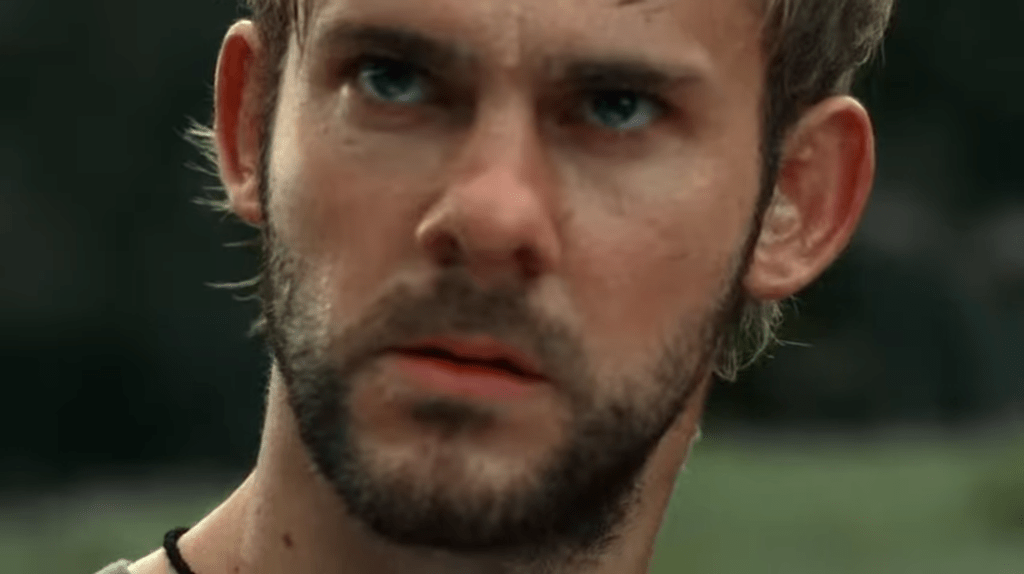
A pilot episode (or a first official episode in a series, if that happens to be different) is a very critical part of a show. Not only does it need to hook in the audience to invest watching the rest of it, creating a sort of “pitch”, it also needs to set the overall tone and formula of the show. While this can evolve over time, particularly if it goes on for like 10 seasons or something, it is important to understand that steering far from what got your fans interested in the first place is a very bad idea. You want to have a good idea of where you are going to go in the long term, and build your foundations around that.
While the LOST creators didn’t exactly have an opportunity to do that (which resulted in a bit of disaster later in the series, particularly as far as public opinion goes), “Pilot Part 1+2” still manages to nail the key principles out of the park. It masterfully introduces each significant character and what sort of nature you can expect from them while maintaining a refined screen time. It absolutely pulls you in at the start while giving you just enough of an idea of what’s going on to stay invested without exposition dumping at all. It gives you several key questions and mysteries, while answering a couple of them before the end of the episode, then giving you more questions, teaching you how the show will handle its cryptic nature. And most importantly, it gives you a damn good reason to keep watching.

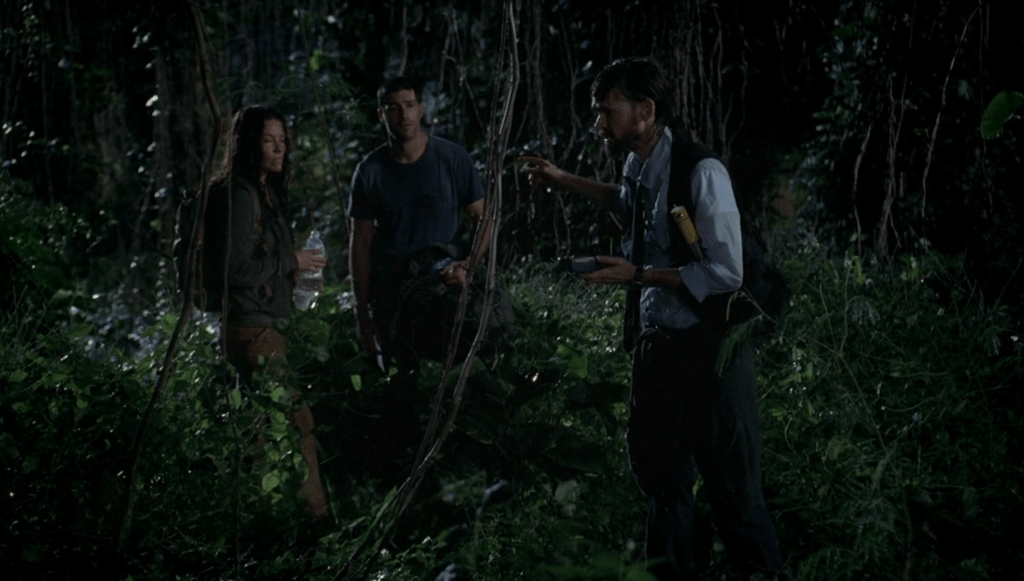
If you are, for some reason, reading this and you haven’t watched the show yet, I would highly recommend to not spoil anything for yourself and go watch it. For those that have seen it, but are a bit rusty, the pilot episode goes from Jack’s awakening to him comprehending that the plane he was on just crashed on some island, and that there is chaos and dying people everywhere. He dives in to start saving people, but his efforts to keep morale high as the episode unfolds are severely nerfed by strange sounds in the jungle. This turns out to be a hidden monster who eventually murders the pilot of the plane, but not before he informs Jack and a couple other significant castaways that their rescue team is looking in the wrong place entirely.
Another nagging question that will be on your mind throughout the whole episode is how exactly did their plane perfectly land on this obscure, seemingly uninhabited island? Those odds are astronomically low.
The episode finally ends with the intention of sending out a distress signal, so that the castaways can actually get help from a rescue team of some sort, but their tech is limited and high ground is needed. Once a party is formed and sent off, they are attacked by a polar bear, which is incredibly strange for a tropical island. How did it get here?
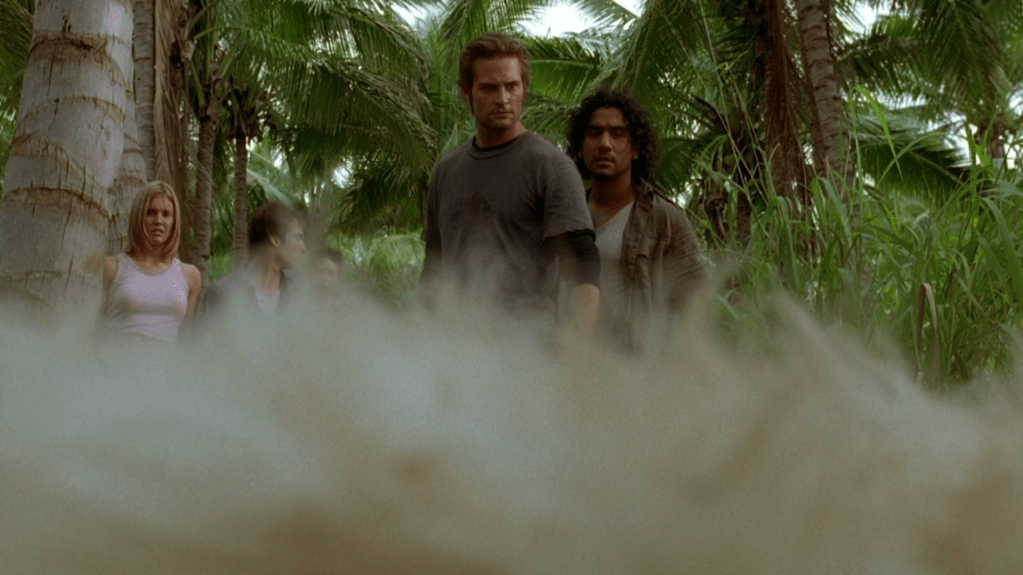
Their plan to get reception at the highest point is graced by ill-fated luck, as they get a signal from on the island-an existing distress signal that has been going on for sixteen years. This not only means that someone has been stranded here in the past (what are the odds of that?!?) but also that they never got rescued in those years either.
That is a pretty surface-level recap, and I couldn’t possibly achieve the same level of dramatic weight without Michael Giacchino’s score playing, but rest assured, this is all master-class mystery storytelling. It is so much more fascinating than a simple “who did it” murder case or a clue-ridden map that sets off a treasure hunt. We are fully immersed in mystery, while crucially, still living in the real world.
You see, the flashbacks of the time on the plane before the crash that are dispersed throughout the episode in addition to how the characters act confirm that this is just a normal world with normal people to the audience. They have somehow ended up on an island where strange things are awry…but this is the real world…so nothing beyond our physical understanding of things should be here…right?
Season 2: The Best Character in Television gets Introduced
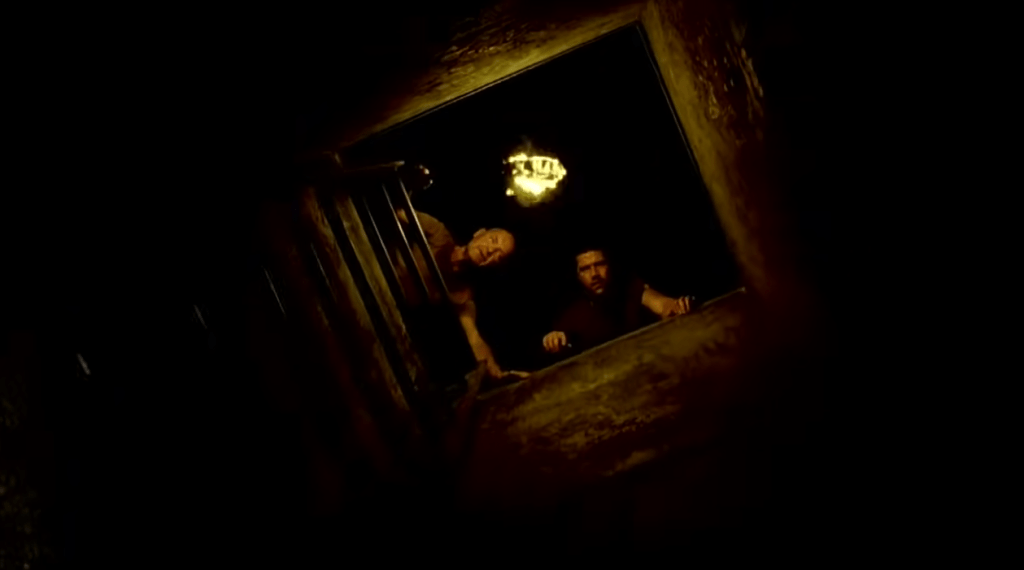
Throughout the course of Season 1, there is naturally a boat load of new mysteries the island presents, but they are all fairly paced out. It’s not like we go from a tropical abandoned rock to an alien base over the course of an episode, but our understanding of the place does receive a radical shift when by chance, two of the castaways, Locke and Boone, discover a mysterious metal hatch in the ground. That is not the work of nature. This hatch is bolted shut, and their limited abilities to get it open finally result in a crazy cliffhanger of the season’s finale where they use explosives to achieve that goal, and realize it is a hole leading deep into…something.
The Season 2 premiere starts by getting you to think it is yet another flashback of some character going about his business, until at some point you make the connection that this is actually IN the hatch, and that the answer you were so desperately hoping to find out is not nearly as simple as you want it to be. In true LOST fashion.
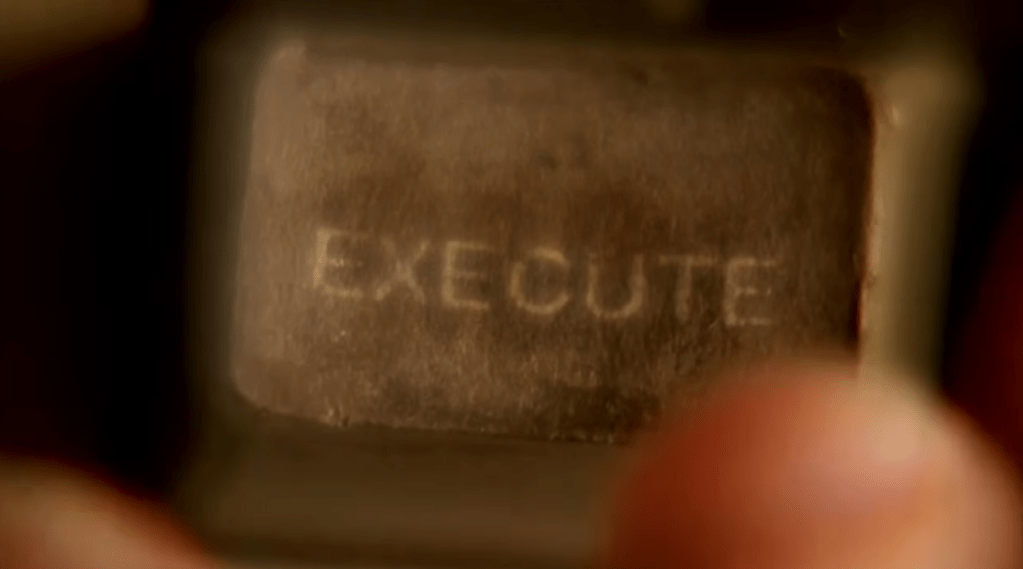
This essentially sets up the rest of the season but more importantly, a new character: the one Desmond Hume.
I decided to make that its own paragraph for dramatic weight. Did it work? Probably not. It is no replacement for a kickass score. Which is actually just as elaborate as the show itself if you can believe it (check out the “FringeMusic107″‘ YouTube channel if you want a soundtrack analysis on every episode of the show (https://bit.ly/40o3z9b).
Desmond as a character serves a very important immediate purpose: give the castaways more information while still being fairly ignorant himself. We won’t find out (part of) his story until the end of the season in an absolutely incredible finale, but we do know that he is trying to prevent the end of the world in that hatch, and that there was someone before him that got him “employed” so to speak. And that he is also stranded on this damn island like everyone else.
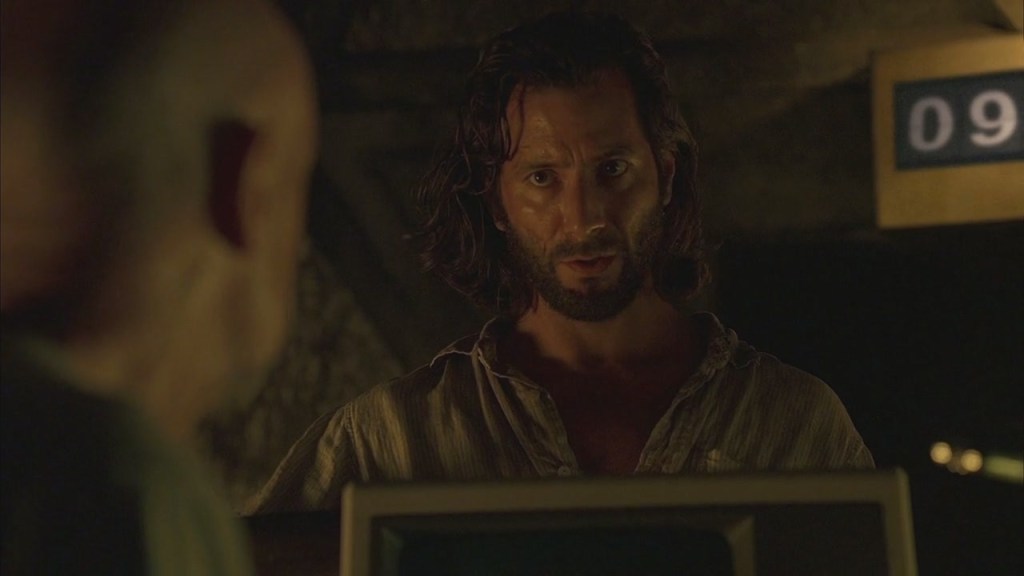
The story is never really the same after that, because Desmond’s introduction is followed up by more and more character introductions as the show progresses. Some from the plane as more of its crash is discovered, the others…not so much.
This reveal is in of itself a masterpiece and honestly probably the best scene of the whole show. As more and more mysteries get added and some of them get pretty fantastical or convoluted, there is no greater reveal then the simple ‘what is in the hatch’. It is just the sort of early game bonus of the story not being over-saturated at this point. You could say the show peaked here and while that would be a fair assessment (particularly if you look at broadcast viewership), that would be taking away from some incredible moments in later seasons, just read on.
Season 3: Time Travel gets Introduced…Perfectly
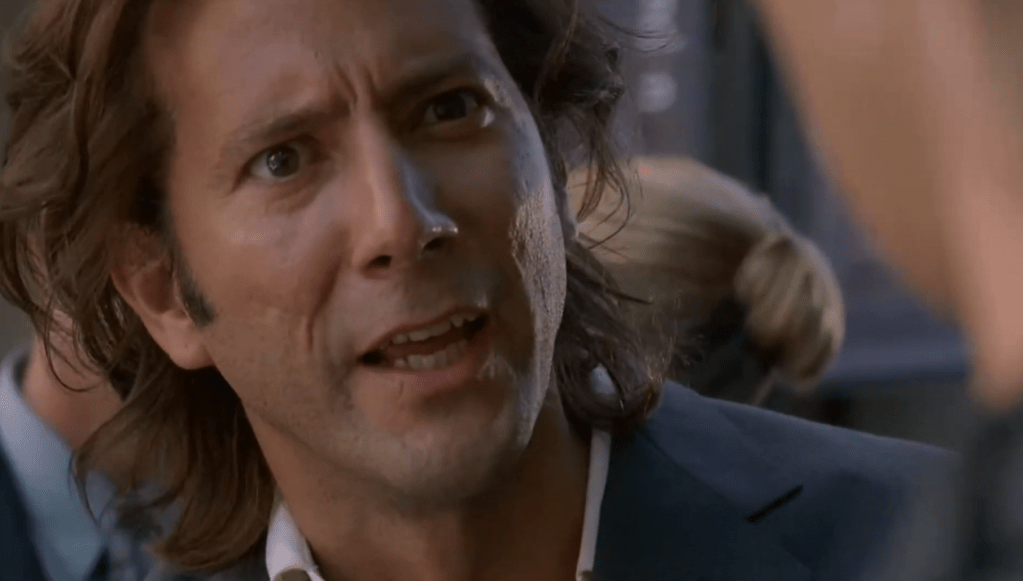
If you are from the future reading this, and I happen to have achieved writing stories of various calibers, it will probably be of no surprise that the theme of time and particularly the manipulation of it is of great interest to me. I love Back to the Future, I love Star Trek: The Next Generation‘s finale, and I love the time travel in LOST.
This all starts fairly early on into the mixed bag that is Season 3. Just before the infamous tattoo episode we get 3×8, “Flashes Before Your Eyes”, starring the aforementioned Desmond Hume. Now, his character is mostly remembered due to what I would say is pretty much the objectively best episode of LOST, “The Constant” from Season 4, but not nearly as much recognition is given to this episode, which is what actually sets up that treasure of cinema.
Basically, after Desmond saves the world by completely detonating the hatch of electromagnetism, he wakes up in his apartment from years ago. He doesn’t really remember much because he just knocked himself out painting and drinking alcohol. Which his girlfriend, Penny, points out wasn’t the best idea. When he realizes what is going on and doesn’t refer to the island time period at all, the episode continues to play out just like it is a standard flashback episode. It’s using the same ‘bait n’ switch’ gimmick of the last highlight I shared. Except not really.
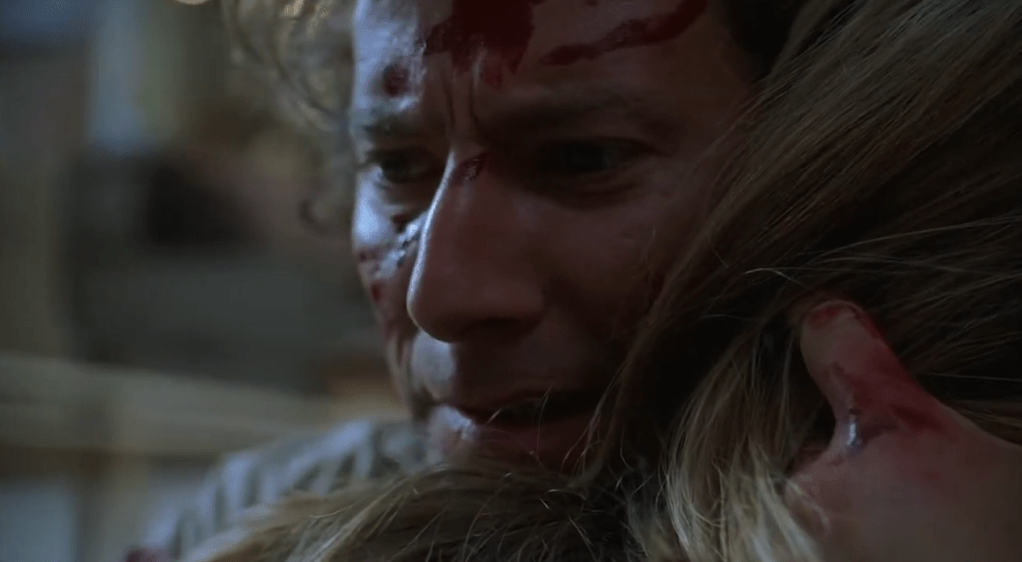
Almost right away we start getting a feeling of ‘Deja Vu’, with things like Penny saying ‘it’s not the end of the world’, seeing familiar numbers, and hearing an ominous beeping from the microwave. Something is definitely not right.
As Desmond tries to resume his life (which happens to go south immediately) he keeps getting triggered by memories that don’t feel like they are from the past. When he tries bringing up the concept of travelling through time with his physicist friend, he naturally gets shut down very quickly. I particularly like that component because it re-validates what I explained in the pilot episode, where the LOST universe feels like the real world. At this point in time a logical character to be like “yeah no time travel is ridiculous” was definitely a good idea to add. It makes Desmond’s current journey a lot more intriguing.
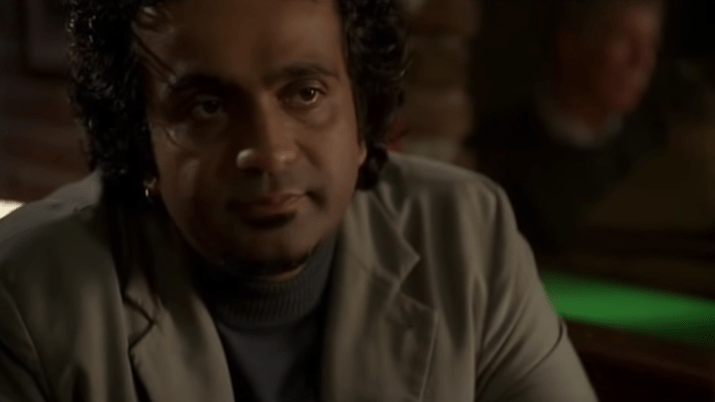
This journey ultimately concludes with Desmond encountering a very mysterious Eloise Hawking who tells him he needs to live out his fate, which he promptly and vehemently denies. He is going to be with Penny and be happy, and Eloise implies that he is instead going to wreck everything. And he ends up doing exactly that, like the re-experience of his life in this episode is only partial, and what had happened in the past will always be what happened, whether Desmond likes it or not.
After getting clubbed in the head at a bar Desmond goes back to his proper present on the island, just after the hatch imploded. As he tracks down a picture of him and Penny, taken from the time he wrecked everything between them, he is torn up with emotions, begging life to give him another chance to go back, that he’ll do it right this time.
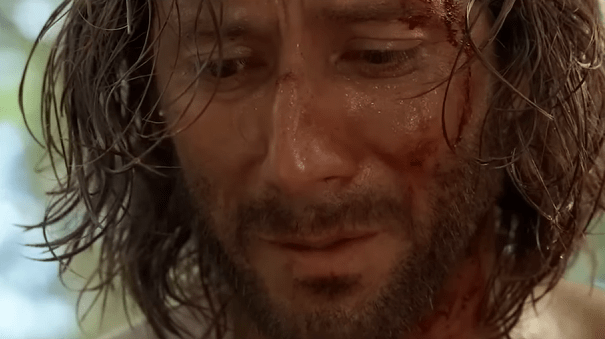
The subtlety of this episode’s game-changing new lore drop of the island’s possible connections with time manipulation, and the restraint to only limit it to a potential fate for Charlie for the rest of the season is what makes me believe it is the perfect implementation. By Season 5, time travel will become a core part of the show, but for now, LOST viewers can enjoy it all through the lens of an emotionally charged character who wants nothing more than to see his lover again. Cut off by whatever mysterious properties this island is made of that hides the castaways from the rest of the world.
While most of the other castaways don’t really have a good reason to want to go back, their lives were all garbage, with the island being the first place they’ve found to provide healing, Desmond’s healing will come when he gets to see Penny’s beautiful face again. Will it ever happen? Or will Desmond die before he gets the chance?
Season 4: A Complete Refresh
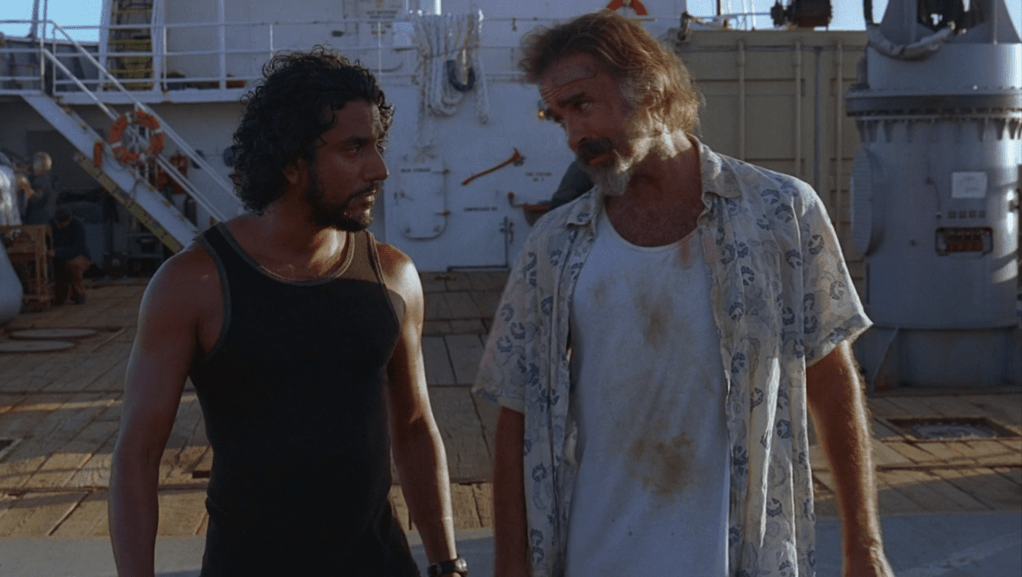
For the sake of not talking about Desmond three times in a row, I’m going to go over a different highlight of the season besides the obvious choice of a particular episode. That being, the season in its entirety. While this may be an unpopular opinion, Season 4 of LOST is actually my favourite of the whole package. I’d say Season 1 is probably objectively better, but there is something so constantly fresh and rewarding about seeing this one play out.
After going through the messy slowburn that is the 23-episode Season 3, we are graced with 14 episodes (3 of which is the multi-part finale) of sheer originality. Standard flashbacks are sparse. Flash-forwards are strategically distributed. And unique takes on episodes help to break things up. Also welcome to a literal boat-load of new characters.
The radical shift in the show’s formula was inevitable after the Season 3 finale had the famous plot twist of revealing that Jack, Kate, and possibly several others actually do make it off the island alive and well. But that something fatal happened in the process. And that their lives are worse than ever back in the “real world”, and that Jack actually wants to go back to the island.
I could comment a lot about how that actually plays out by Season 5, but Season 4 doesn’t need to worry about everything making perfect sense yet. It can just let the presence of the freighter crew mixed in with this inevitable future completely change how an episode plays out. 4×1 “The Beginning of the End” sees our island camp from the pilot episode fracture into two different factions: one that trust these new freighter folks, and one that doesn’t.
Promptly after that division, the show gives us a lot of indications that the freighter crew is indeed hiding something, and that their presence here may not be for the noble purpose of saving our castaways. Things just can never be that simple. But then, what is their purpose? Who sent them?
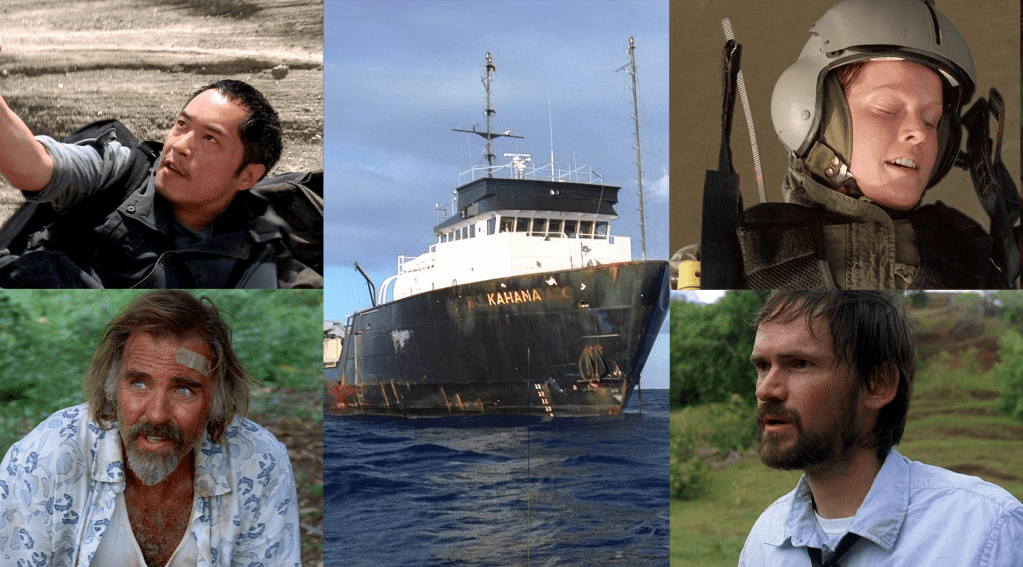
4×2 “Confirmed Dead” introduces the 4 essential characters from the ship that will play ongoing roles beyond the season, and don’t seem particularly nefarious. Daniel Faraday (shown above bottom right) is a physicist that takes an interest in the island’s anomalies, providing a much needed outlet for the viewers that want to see some intellectual understanding of this place. Miles Straume (shown above top left) is a money-seeking psychic, that has some unfinished business with his past that connects him to the island, whether he admits it to himself or not. Charlotte Lewis (shown above top right) is an archeologist (or some such) that is boring as hell and…also has some past connection to the island. Let’s not dwell on that. Finally, we have Frank Lapidus (shown above bottom left), a pilot, finally replacing the one that died from the first episode of the show.
This would have given earlier seasons a field day of new content, making multiple centric episodes per character, stretching them thin like we’ve already seen with past characters. But that is not what happens. Instead, we get one flashback scene per character in the first episode they are introduced, with a couple of those scenes happening before we even meet the character on the island. A complete refresh on the flashback formula, and the next 4 times flashbacks are used this season, they all have something distinctive about them. More time travel goodness in “The Constant”, a flashback entirely set on the island with Juliet’s backstory conclusion in “The Other Woman”, the return of Michael’s character with his story since the Season 2 finale in “Meet Kevin Johnson”, and a thematic exploration with moments across Locke’s past (including cameos from the ageless Richard Alpert) in “Cabin Fever”.
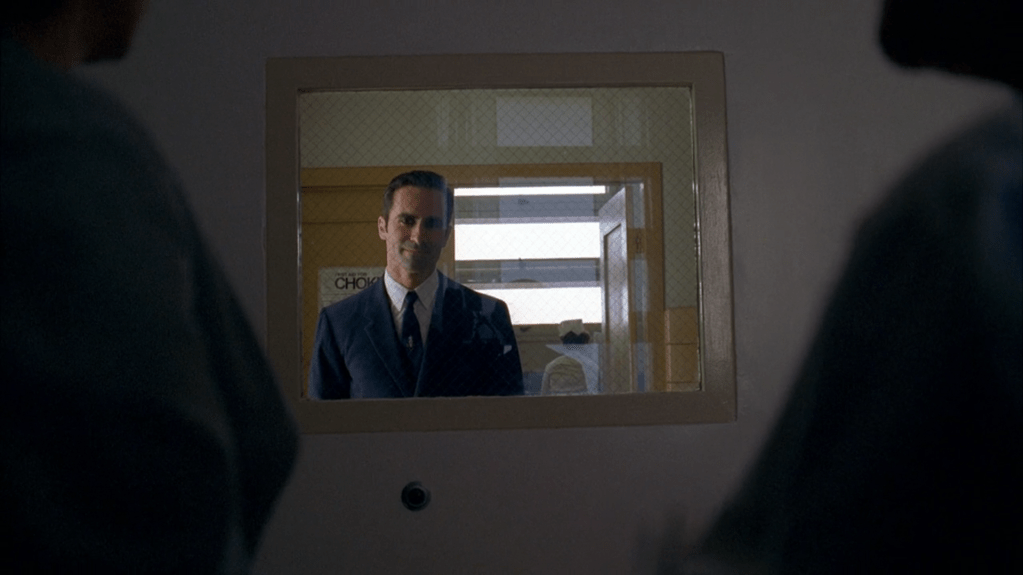
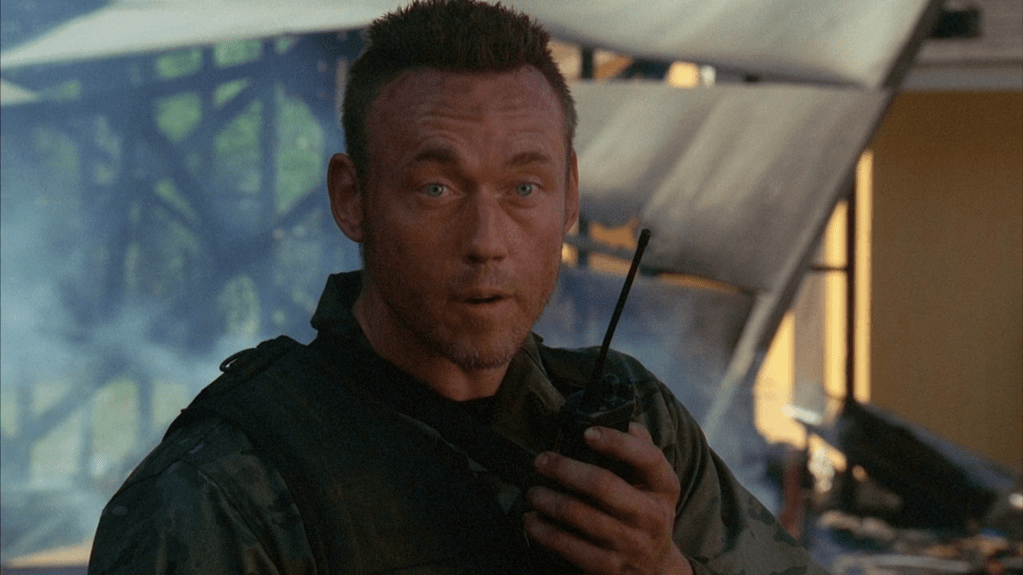
And all throughout these wonderful stories, we have a new looming threat for the well-being of effectively all the characters on the board currently: Martin Keamy (shown below). A mercenary leader with a empty conscience dead-set on one objective, regardless of collateral. Holy smokes what a jam-packed season.
The lesson I learn from this season for my own stories is to always try to keep things fresh. Never get complacent when making long-form content, put in the effort to try to do something new each corner of the narrative. Way easier said then done, but I hope my future self is up to the challenge.
Season 5: A Long-Awaited Payoff
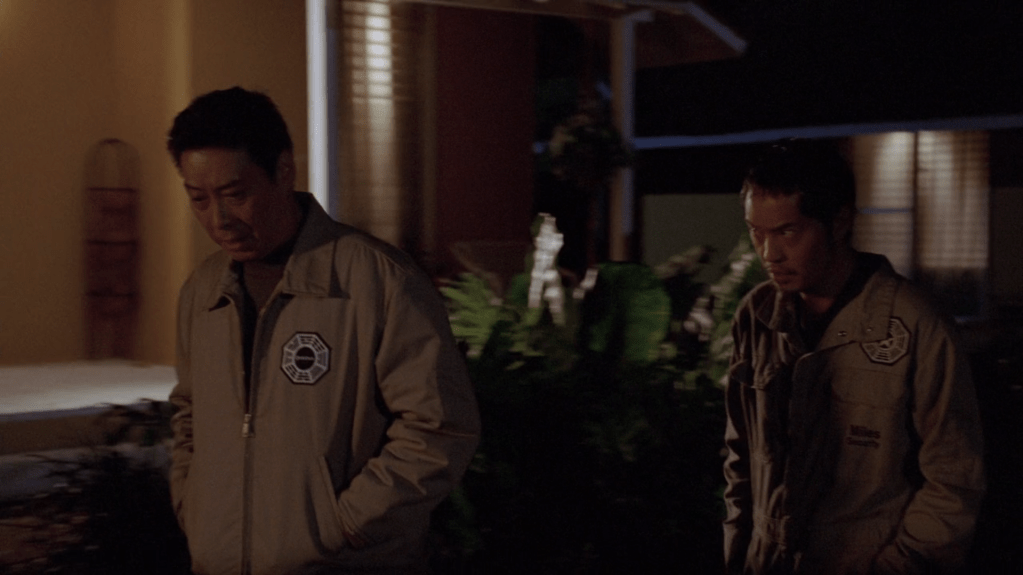
I previously mentioned how the new freighter characters are not overdone with centric episodes. In fact, they are quiet underdone. It takes until the 13th episode of this season for Miles to get his only (fully) centric episode of the series. But I think it is a damn good one that takes perfect advantage of the very unique circumstances by this point in the narrative.
We have found ourselves time travelled to the height of the DHARMA initiative’s time on the island, where their research on the mysterious properties it holds as well utopian culture are under full-swing. While that is interesting in of itself, it is how our characters react to this bizarre time in their life that really draws the viewer in. Previous revenge-bent conman with an angry heart, Sawyer, has found himself evolved and settled down with unexpected love interest Juliet. I think their narrative this season is awesome and easily a highlight, but there is something about Miles’ that just beats it for me. I think part of it is that we’ve spent so much time in the show witnessing terrible parents, and this is basically one of the only examples where that ends up not being the problem.

You see, Miles’ cranky nature can be traced back to him growing up with his single Mom, who tells him that his father abandoned them, and that he died a long time ago. So, he’s kind of just stuck with this idea that his Dad was a dick that didn’t care about him. Or in Hurley’s words, “a total douche”.

But as it turns out, his Father is that guy from the Dharma videos we see as early as 2×3 “Orientation”, and thus, Miles gets a unique opportunity to spend time with him in person. But, he’s soured up over the years and claims to Hurley that he has no interest in repairing that bond. Hurley, being the comrade that he is, tries to do it himself, forcing Miles to confront the emotions he’s bottled up.
He doesn’t get the opportunity to completely re-build that relationship, but he sees enough to know that his Father did care about him, and that he only split his family up because it was what he had to do to keep them safe. In an emotional moment where Miles witnesses his Dad reading to his baby self, the Dad suddenly walks out of the house on a mission for DHARMA, seeing Miles in the process and nonchalantly requesting help with a simple “Miles! I need you”, to which Miles responds, choked up, “You do?”. Gets me every time.
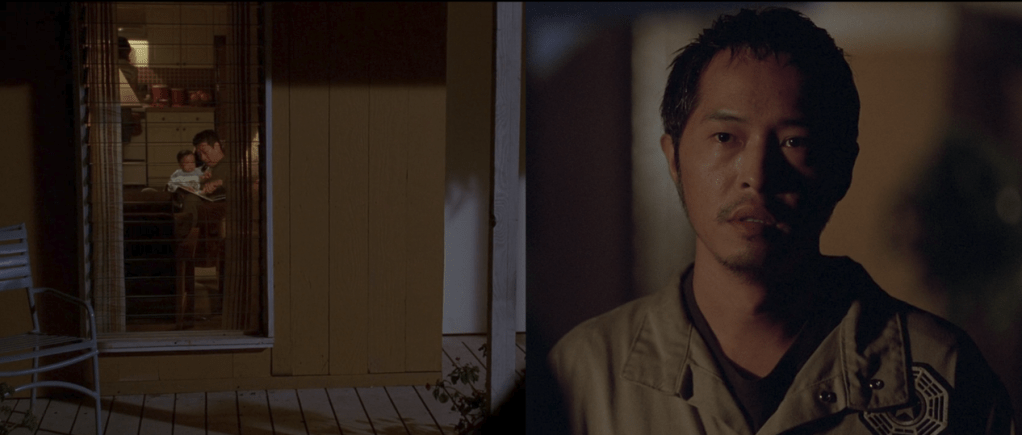
We get so little of Miles/Pierre Chang, but every bit of it is great, which to me displays the importance of restraint in storytelling. Particularly when it comes to relationships, whether romantic or otherwise. If you overdo it I feel like it just breaks the affection and interest people have in them. Leave people always wanting more. That by itself is a principle that can be applied all across storytelling.
Season 6: A Truly Unique Flashback
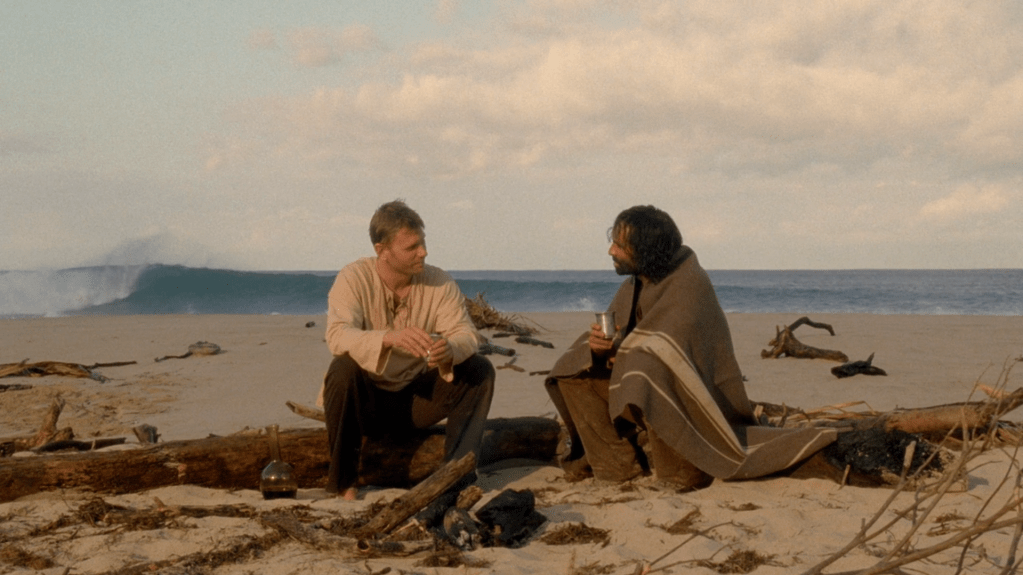
We arrive at last to the final season of LOST, and what a ride it is. I don’t want to dive into the divisive details on this run of episodes, because doing so would prompt a multi-hour analysis, and this blog is already way too long, but just know that I am completely ignoring the infamous “flash-sideways” stuff in exchange for the only typical flashback episode of this season: “Ab Aeterno”. Where we finally get the backstory on the ageless Richard Alpert.
Due to that divine detail, we are graced with a backstory from several centuries ago, which really helps to distinguish this one from, you know, all the other ones in the show. A normal “Ricardo” finds himself in Spain during the colonial era with a dying wife, that he cannot imagine living without.
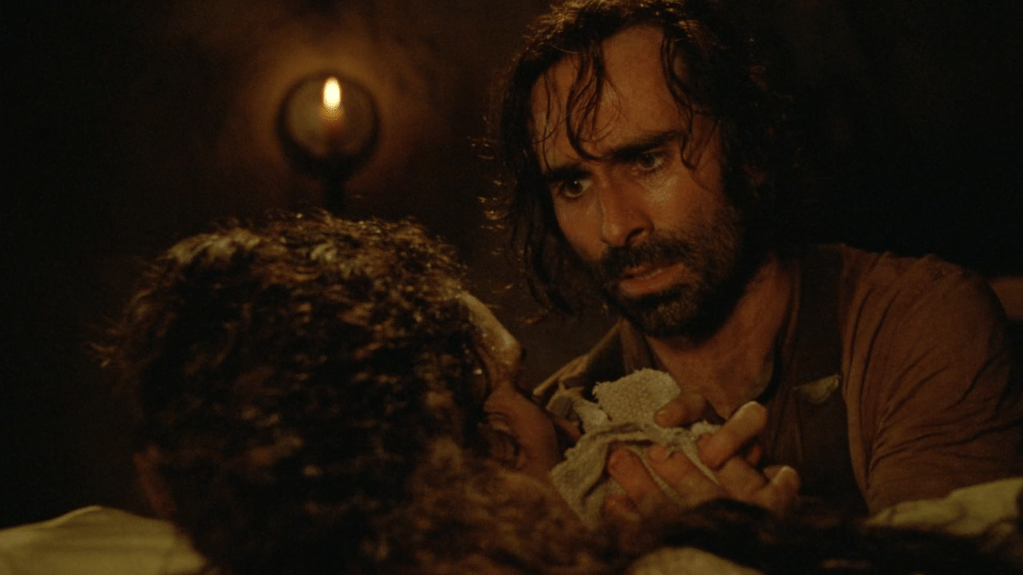
He races to the doctors on horseback with the intent to get life-saving medicine but unfortunately, he is at the bottom ring of society and does not have enough for the doctor to find him worth the time. (Wait…this is set centuries ago? That sounds a lot like modern medical care. Anyways…). He accidentally kills the doctor after getting emotional, and what’s worse, by the time he gets back to his wife, she’s already dead.
Richard would have been hung for his crimes and damned to hell per his beliefs, but fortunately capitalist greed was already in effect at this time, because a rich organization picks him up due to his English skills to travel to the new world as a slave. Perhaps not much of a better fate but a freak storm ends up marooning him on the very island we’ve become so familiar with after a hundred-plus episodes.
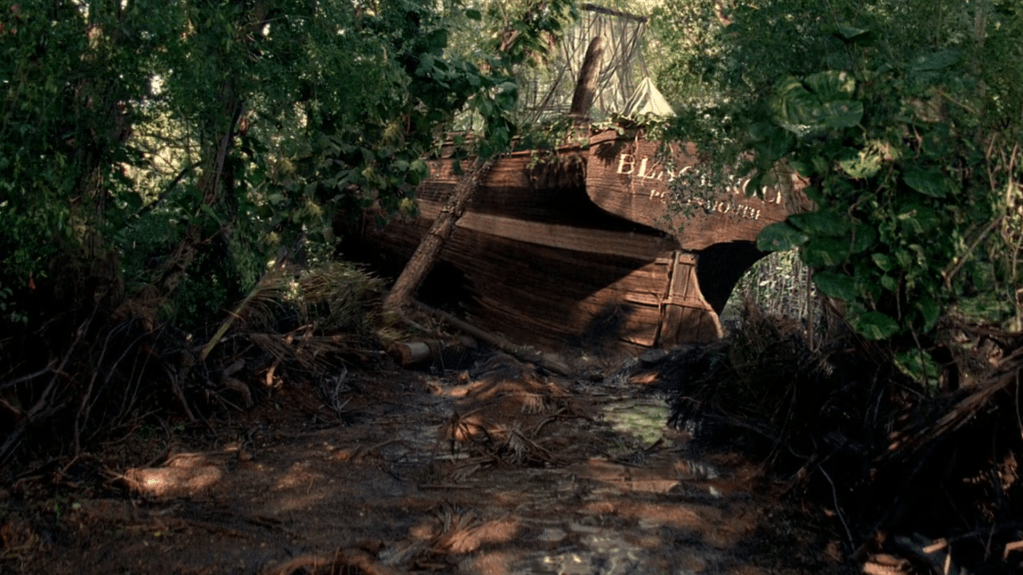
Now, Ricardo finds himself between the real-life chess game of Jacob and the ‘Man in Black’, both trying to out-play the other. I won’t go into all the details, but I will say that getting to see a personal deep dive into the early-mythology of the show through the lens of a character we know was very needed by this time of the show. It doesn’t give us all the answers, but it’s a fun ride nonetheless while really making us realize that Richard’s story is a tragic one. His “gift” of not aging has definitely been more of a curse.
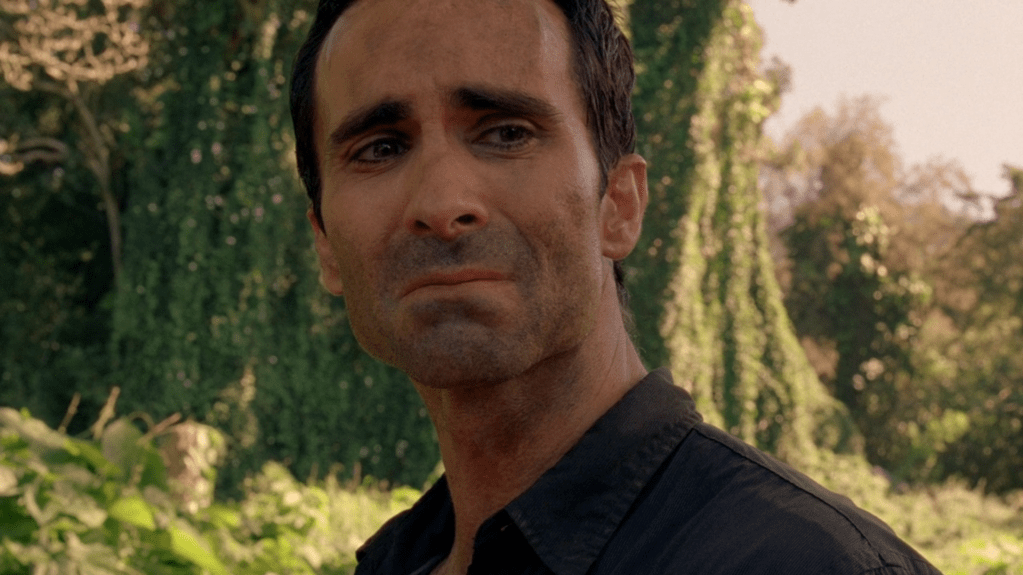
It is this sort of material that has trained me as a writer to focus on characters. World-building, mythology, intricate lore, it’s all fun stuff, but knowing how to tie characters to it is a very important aspect of a good story. It also makes that lore way more engaging when you see a character at eye-level reacting to it in a way you would. Once again, this is easier said then done. I love a good emotional story but truth be told I’m better at epic world building with science fiction and grand existential stakes rather than figuring out what flaw a character should have to keep them relatable or interesting. I guess we’ll have to see how well I do in my future life’s work.
And that is that! We got through a highlight of all six seasons of LOST. Thank you, dear reader, for joining me in this indulgence, and I hope this exploration in storytelling helped you to either write better yourself or see these concepts employed in the media you consume. Become a smarter reader and watcher. The less people calling Despicable Me 4 a good movie the better.
 Joel Peters